
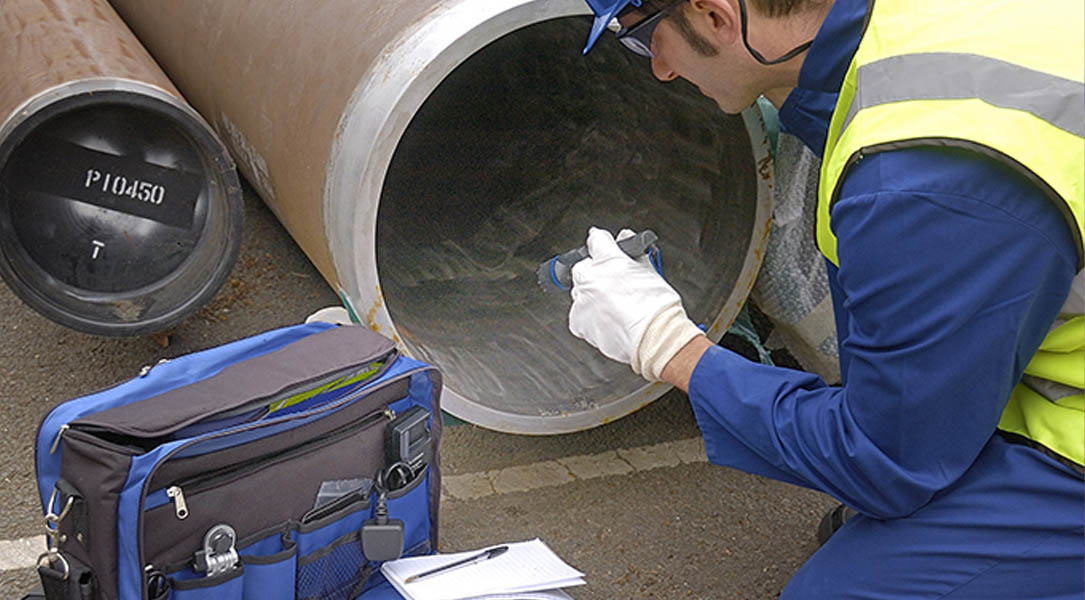
Mechanical engineers are at the forefront of industries where safety, precision, and structural integrity are critical. From oil refineries and power plants to shipbuilding and infrastructure projects, welded components form the backbone of modern engineering. Ensuring the quality of these welds requires certified inspection professionals — making CSWIP Certification a powerful career upgrade for mechanical engineers.
At IITNDT, specialized training programs help engineers gain the knowledge and practical skills needed to succeed in welding inspection and quality assurance roles worldwide.
What is CSWIP Certification?
The Certification Scheme for Welding and Inspection Personnel (CSWIP) is a globally recognized qualification developed by TWI, UK. It validates the competence of professionals involved in welding inspection, quality control, and fabrication processes.
For mechanical engineers, CSWIP certification opens doors to specialized roles in QA/QC, inspection engineering, and project quality management across major industries.
Why CSWIP is Valuable for Mechanical Engineers
Mechanical engineers benefit from CSWIP certification in several important ways:
- Expands Career Opportunities: Mechanical engineers often begin in design, production, or maintenance. CSWIP certification
enables them to transition into high-demand inspection roles in industries such as:
- Oil & Gas
- Power & Energy
- Shipbuilding
- Construction & Infrastructure
- Heavy Engineering
- Global Recognition and Overseas Opportunities: CSWIP certification is internationally accepted, making it ideal for engineers seeking careers in the Middle East, Europe, and other industrial regions. Many global projects mandate certified inspectors to ensure compliance with safety standards. With guidance from IITNDT, candidates are prepared to meet international job requirements confidently.
- Higher Salary Potential: Certified inspectors are highly valued because their expertise directly impacts project quality and safety. Mechanical engineers with CSWIP certification often earn significantly higher salaries compared to non-certified peers.
- Advanced Technical Knowledge: CSWIP training provides in-depth expertise in:
- Welding processes and defects
- Inspection methods
- International codes and standards
- Documentation and reporting
- Improved Project Safety and Quality: Certified welding inspectors play a crucial role in preventing structural failures by identifying defects early. Their work ensures reliability, safety, and compliance in critical engineering projects.
- Pathway to Leadership Roles: With experience, CSWIP-certified mechanical engineers can advance to positions such as:
- Senior Welding Inspector
- QA/QC Engineer
- Inspection Engineer
- Quality Manager
- Third-Party Inspector
- Long-Term Career Stability: Inspection and quality assurance professionals remain essential across industries, providing strong job security and continuous demand.
Why Choose IITNDT for CSWIP Training?
IITNDT is a trusted training institute offering industry-focused programs designed to help mechanical engineers succeed. Key advantages include:
- Experienced faculty
- Hands-on practical sessions
- Exam-oriented preparation
- Placement assistance
- Global career guidance
Conclusion
CSWIP certification is more than just a qualification — it is a gateway to global career opportunities, higher earning potential, and professional growth for mechanical engineers.
By choosing expert training at IITNDT, engineers can confidently step into specialized inspection roles and build a successful future in high-demand industries.